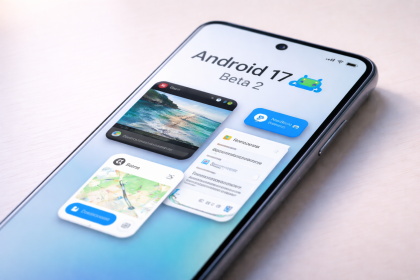


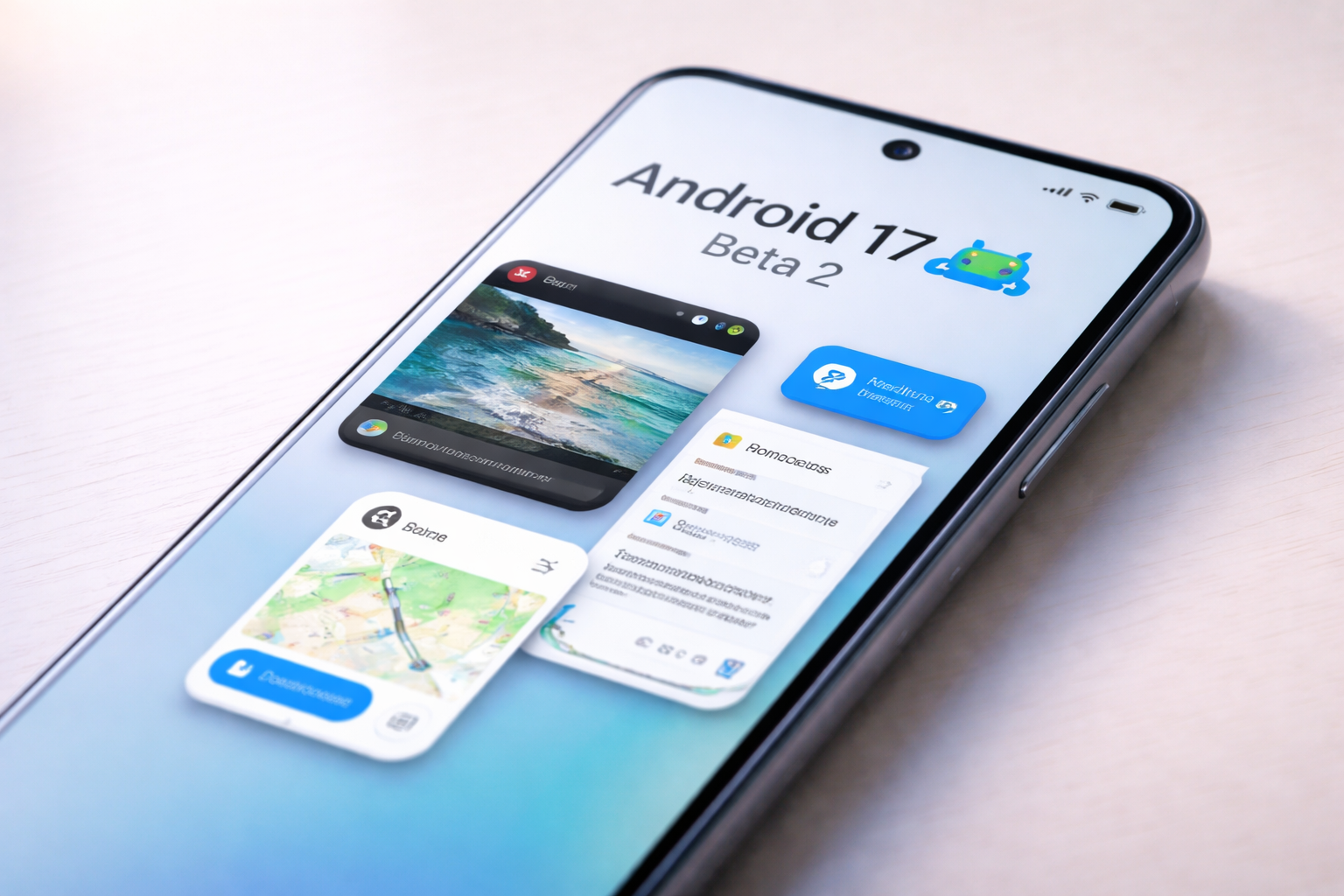
Google has begun rolling out Android 17 Beta 2, bringing a set of multitasking refinements and system-level optimizations that quietly reshape how apps behave on large-screen devices. While the update does not overhaul Android’s design language, it introduces meaningful improvements to how users interact with multiple apps simultaneously.
The most notable change expands the concept of “bubbles” beyond messaging. In Beta 2, apps can be launched into a floating window-style interface, allowing them to hover above other content without fully entering split-screen mode. On tablets and foldables, this integrates with a dedicated bubble bar, offering faster switching between active floating apps.Google outlines the feature in its official release documentation, describing it as a windowing mode separate from traditional notification bubbles, aimed primarily at improving multitasking workflows on larger displays: Android 17 release notes.
The Android Developers Blog further explains that Beta 2 continues refining large-screen behavior ahead of platform stability, with adjustments to taskbar integration and floating UI elements: The Second Beta of Android 17.
Early hands-on coverage from Android Central suggests the feature effectively acts as a lightweight pop-out window for supported apps, bridging the gap between single-app focus and full split-screen multitasking: Android 17 Beta 2 rolling out with multitasking updates.
Alongside multitasking changes, Beta 2 includes system optimizations targeting responsiveness and UI stability. Google notes improvements in input handling, pointer capture for touchpads, and refinements to permission models related to local network access. These changes are largely invisible to end users but contribute to smoother behavior across devices.
9to5Google highlights that the expanded bubble functionality effectively introduces a more accessible floating window mode for a broader range of apps: Android 17 Beta 2 brings pop-out windowed mode to all apps.
For users testing the beta on supported Pixel devices, the update represents a practical evolution rather than a dramatic shift. Multitasking becomes less rigid, especially on foldables and tablets where managing multiple apps simultaneously is more common.
Android 17 remains in beta, with further refinements expected before the stable release later this year. Beta 2, however, signals Google’s continued focus on improving large-screen ergonomics without complicating the core Android experience.